Skip to content

About

A working life shaped by participation

Education, facilitation, writing and a sustained interest in what happens when people struggle to participate in the systems around them.

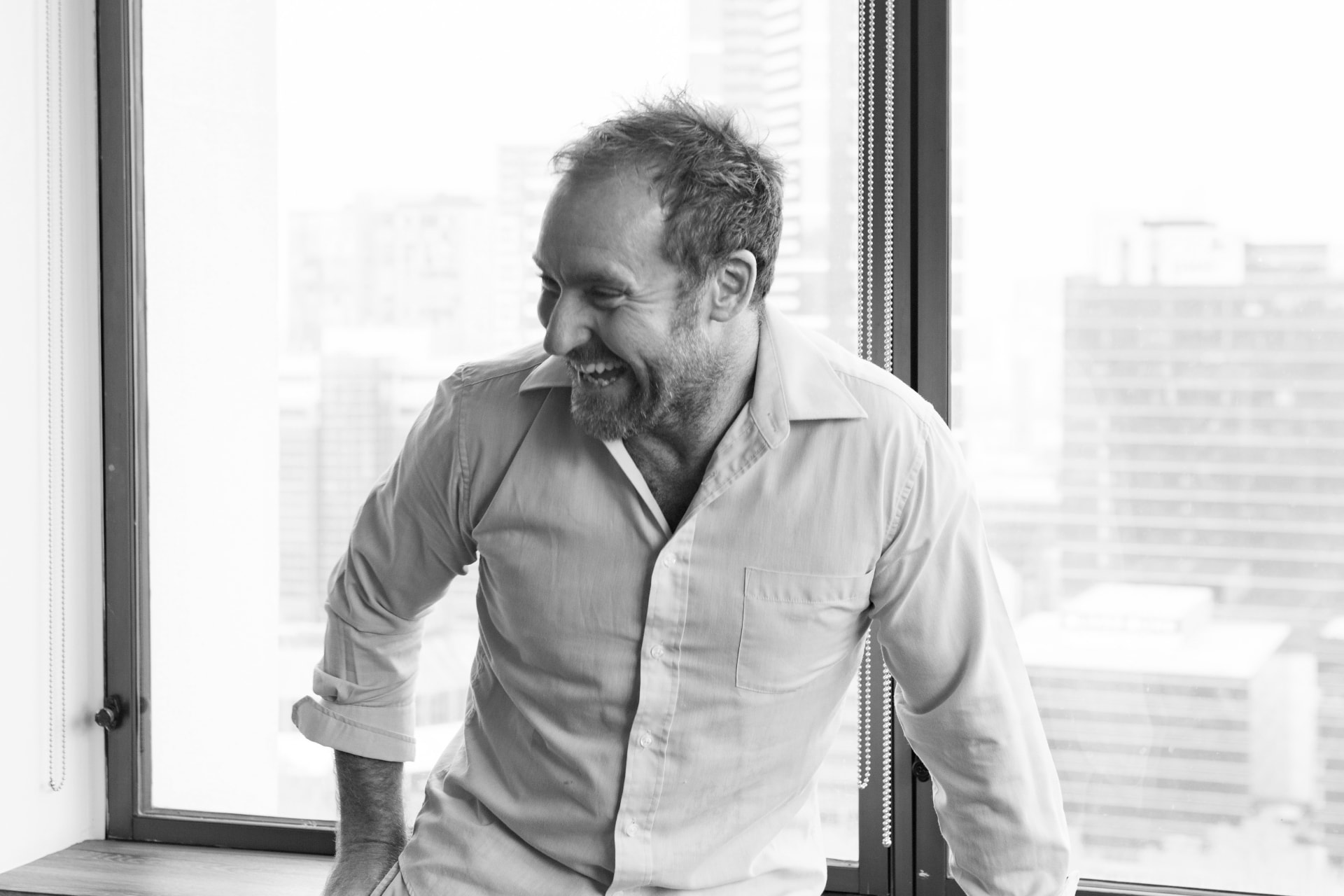
Daniel Frith in a candid black-and-white portrait.
Daniel Frith.

A working life shaped by participation

Daniel Frith's work has developed through education, facilitation, writing and a sustained interest in what happens when people struggle to participate in the systems around them.

The questions did not begin as a methodology. They emerged from practice: classrooms, relationships, difficult situations, changing professional environments and encounters with young people for whom the available terms of participation did not always work.

Over time, those experiences produced a broader inquiry. What belongs to the individual? What belongs to the environment around them? What changes when people are given enough space to see their situation differently? And how can support remain useful without taking authority away from the person being supported?

Daniel's answers to those questions have changed. This site deliberately preserves some of that development rather than presenting the current position as though it existed from the beginning.

Where the work came from

Daniel grew up in Daylesford, in central Victoria. Sport came first: from 1997 to 2005 he played 144 games for North Ballarat across nine years, during the club's Victorian Football League era.

Study followed alongside and after it — a Bachelor of Applied Science in Human Movement, taking in human movement, psychology and physical education, and then a Graduate Diploma of Education (Secondary). Both were conferred in 2003.

Teaching began there, and has continued for more than twenty years across Queensland, New South Wales, Victoria and the Northern Territory, in state, Catholic and independent schools and in mainstream, flexible, distance and remote community settings.

Other things happened in between. Daniel opened a café in Fitzroy, Melbourne, and coached senior Australian Rules football teams in Victoria. He later established The Facilitators Group and worked as a facilitator, describing himself at the time as Lead Facilitator.

None of it was a plan. It is simply the order in which things occurred, and each stage left something behind that turned up again later.

The detailed chronology, qualifications and football record are set out on the Experience page.

Working with young people

A significant part of Daniel's educational experience has involved young people whose participation in conventional learning environments had become difficult, inconsistent or fractured.

Those encounters gradually shifted the question from “How do we get this student to participate?” toward “What is happening between this young person and the conditions in which we are asking them to participate?”

That distinction became increasingly important. It opened questions about relationship, agency, environment, expectations, boundaries and what might allow someone to return to participation without requiring either compliance or exclusion as the only available choices.

Green Space

Green Space began as an attempt to answer that question in practice: a temporary space in which the immediate struggle could reduce enough for relationship, agency and the possibility of participation to remain available.

It developed through use, and it changed as it was used. Daniel's interpretation of it has changed too, which is part of why it is documented here as a stage in the thinking rather than as a finished intervention.

Human systems and facilitation

The same pattern appears well beyond schools. Groups, teams and organisations produce participation and withdrawal through their conditions, not only through the character of the people inside them.

Facilitation work followed from this: working with the conditions of a group rather than attempting to correct the individuals within it.

Writing and reflective practice

Writing has been the mechanism for keeping this honest. A long record makes it possible to see where thinking has changed, and to notice when a conclusion has been carried forward for longer than the experience supports.

Reflective practice here means something modest: noticing, recording, and being willing to revise.

KaiWay

KaiWay emerged from a question about whether any of this could be supported by a tool: whether technology might help someone notice what is happening, see their own experience more clearly, and recover choice where that is useful.

The design constraint matters more than the ambition. A tool of this kind should return attention to life beyond itself rather than accumulate it. KaiWay is in development, and no therapeutic, psychological or clinical outcomes are claimed for it.

Current work

Current work runs along three lines: facilitation and human systems practice, writing, and the development of KaiWay. They inform one another, and none of them is finished.